
Understanding Sustainability, Shaping the Future
What began as political and environmental analysis gradually unfolded into a broader systemic question: How do complex systems learn, adapt, and transform — and what role does human perception play in this process? My findings have converged into an integrative framework that now guides my masterclasses and educational programs.
My academic formation was shaped by Theo Stammen, who served as my doctoral supervisor and who himself earned his doctorate under Eric Voegelin. Through this intellectual lineage, I am connected to a tradition rooted in political theory, philosophy, and the history of ideas, as well as in order theory. It is a tradition sustained by a deeply reflective posture — humanistic in orientation, committed to justice, and guided by long-term responsibility.
Scholars and Thinkers I Draw Upon
- Donella Meadows
- Elinor Ostrom
- Ernst Ulrich von Weizsäcker
- Hans Joachim Schellnhuber
- Herman Daly
- Johan Rockström
- Nicholas Stern
- Niklas Luhmann
- Ken Wilber
- Michael von Hauff
- Frederic Vester
- Paul Crutzen
- Rachel Carson
- Simone de Beauvoir
- Thomas Piketty
- Ulrich Beck
- Joe Dispenza
- Vandana Shiva
- Jürgen Habermas
- Amartya Sen
- Bruno Latour
- Anil Seth
My Academic Competences
- Sustainability Science & Theory: Planetary Boundaries, Anthropocene, systemic thinking
- Teaching Experience: Bachelor, Master, MBA; multilingual DE/EN/FR/ES/IT
- Curriculum design for Bachelor, Master and MBA programmes (ECTS-compatible)
- Leadership & Transformation: SDGS, ESG Controlling, Change Management
- Didactic incentives: storytelling, visualisation, transdisciplinary case studies
- Languages: German, English, French, Spanish, Italian
- Interdisciplinarity & Innovation: Bridge-building across natural, social, and cultural sciences
- For more than twenty-five years, I have been working across the wide and evolving field of sustainability — theoretically grounded, systemically structured, and translated into diverse teaching formats. My goal is to convey the principles of sustainable development in ways that can be understood, internalized, and brought into action — in academia, in professional life, in private life, and in society at large.
- I teach at universities and educational institutions across Europe — both on-site and online, in German and English, within Bachelor’s and Master’s programs, MBA courses, executive education, compact modules, and international summer schools. I also supervise theses, design curricula, advise on program development, and facilitate interdisciplinary learning formats. My engagements range from guest lectures and intensive seminars to regular semester-based ECTS-Modules.

From Material Reality to Human Responsibility Science meets consciousness
Sustainability begins in the human brain. It starts with awareness — the capacity to perceive the world as an interconnected, living system. I believe that education for sustainability is, at its core, education for consciousness. Learning that inspires becomes a catalyst for transformation.

Rethinking development and progress
True progress is not acceleration, but integration. The modern idea of “growth” has reached its cognitive and ecological limits. What we need now is qualitative growth: growth in empathy, creativity, and collective intelligence. Sustainability, in this sense, is the art of maintaining complexity — keeping the web of life flexible, adaptive, and resilient.
I teach that sustainability is not about perfection, but about dynamic balance — between economy and ecology, reason and intuition, human aspiration and planetary boundaries. The challenge is to evolve our systems, not to freeze them. To innovate without eroding. To thrive without overreaching.
Sustainability as cultural evolution
Humanity is in a phase of cognitive transition — moving from industrial logic to systemic intelligence. The great task of our time is to cultivate this next level of awareness: to understand that economy is ecology, that consciousness is a resource, that sustainability is not a cost but a form of creativity.
Sustainability, in this evolutionary sense, becomes a story of becoming more human — of rediscovering empathy, balance, and belonging within the planetary web of life.
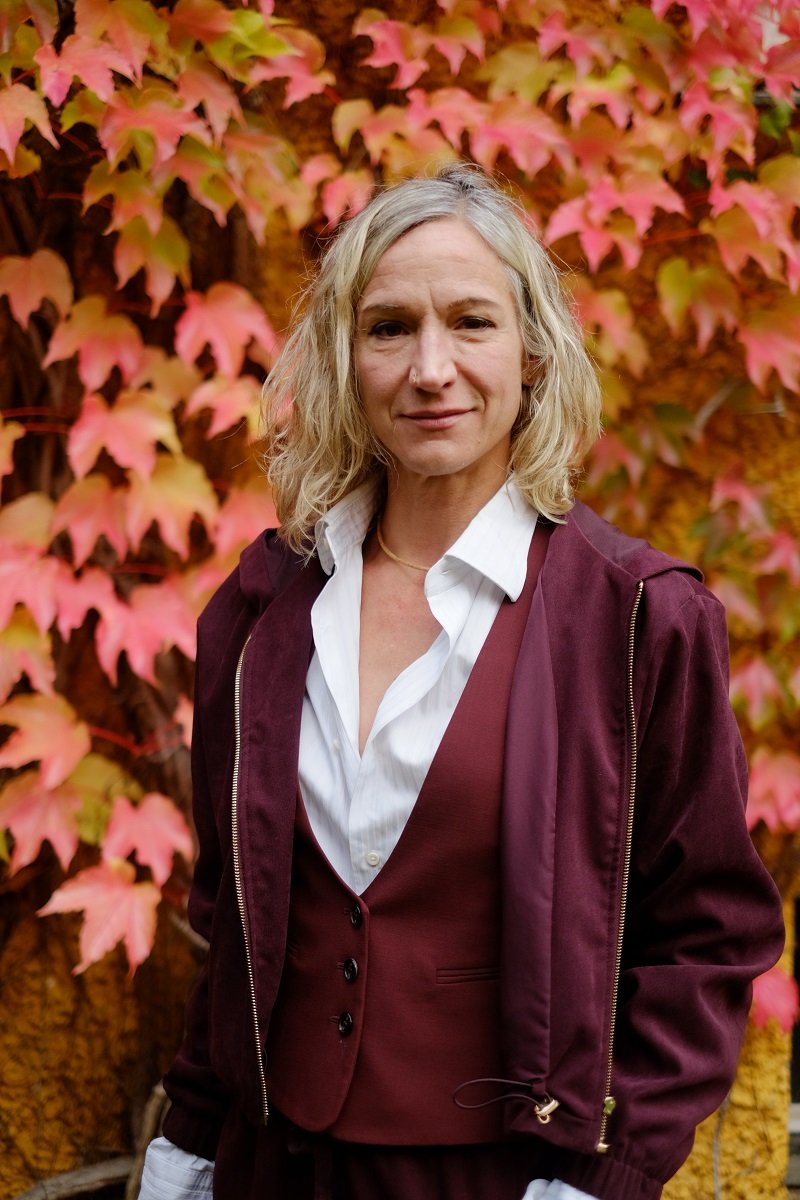
Deep understanding bears solutions
When we see the world systemically, we begin to act systemically. When we feel connected, we start to care. And when care becomes culture, sustainability becomes second nature.

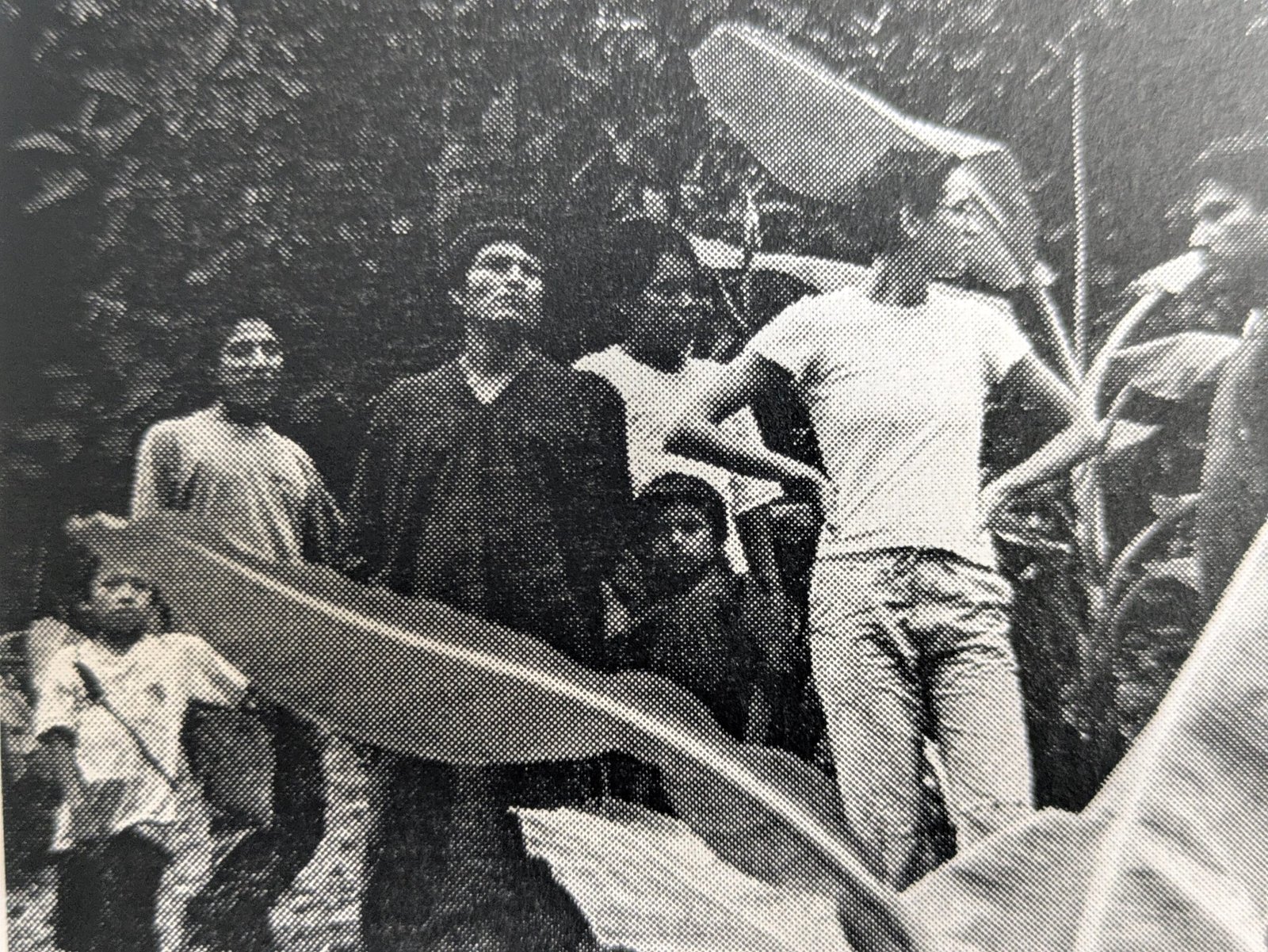
Bridging science and society
I see myself as a bridge — between disciplines, between academia and everyday life, between systems thinking and lived experience. My teaching style is dialogical, visual, and embodied. I use matrices, models, and metaphors to show the logic of sustainability — from planetary boundaries to social dynamics, from ecological feedbacks to cultural myths.